
Kenchua Lottery Guide: Draws, Odds and Everyday Safety
Lotteries combine a tiny price with an enormous dream, which makes them irresistible to millions. Kenchua lottery readers often want to know if any approach can improve their chances. The honest answer is no, but understanding how draws work and how the money is divided can help you play sensibly and avoid scams.
How Lotteries Work
Ticket Sales and Prizes
Operators sell tickets and return a portion as prizes, usually around fifty to sixty percent. The rest covers administration, retailer commissions and often contributions to public projects or taxes. Because the payout is below the amount staked, the average ticket loses value.
Draw Mechanics
Draws use mechanical machines or certified random number generators. Independent auditors verify them, and many operators publish procedures and record draws. This ensures fairness, and it also means that nothing about the process can be predicted.
Odds and Prize Tiers
Typical Format
In a six-from-forty-nine format, jackpot odds are roughly one in 14 million. Smaller prizes occur more often: three matches about once in fifty-six tickets, four matches about once in a thousand and five matches about once in 55,000.
Putting Odds in Perspective
Winning a jackpot is far less likely than being struck by lightning in a given year. A Kenchua lottery guide should state that clearly, because the marketing around large prizes often distracts from the maths.
Effect of Buying More Tickets

Buying ten tickets gives you ten chances, but each is still extremely unlikely. The cost rises linearly while the improvement in your chances remains negligible.
| Prize tier | Chance (approx.) |
|---|---|
| 3 of 6 | 1 in 56 |
| 4 of 6 | 1 in 1,032 |
| 5 of 6 | 1 in 55,491 |
| 6 of 6 | 1 in 13,983,816 |
Myths and Systems
Lucky Numbers
Lucky numbers have no effect. Every combination has the same chance. Players who pick birthdays choose from a narrower range, which means they may share prizes more often if they win.
Hot and Cold Numbers
Statistics on frequent numbers do not predict future draws. Each draw is independent, and random sequences look uneven over short periods.
Prediction Sellers
Anyone selling predictions or "guaranteed numbers" is misleading you. Ignore them and do not share personal information.
Playing on a Budget
Set a Fixed Amount
Choose an amount you can lose without worry, and spend it on tickets. When it is gone, stop. Keep it separate from essential funds.
Beware of Rollovers
Big rollovers can create pressure to buy extra tickets. The chance of winning does not improve with the size of the jackpot.
Think Long-Term
If you play every week for years, small amounts add up. Reviewing your annual spending can help you decide whether the entertainment is worth the cost.
Buying, Checking and Claiming
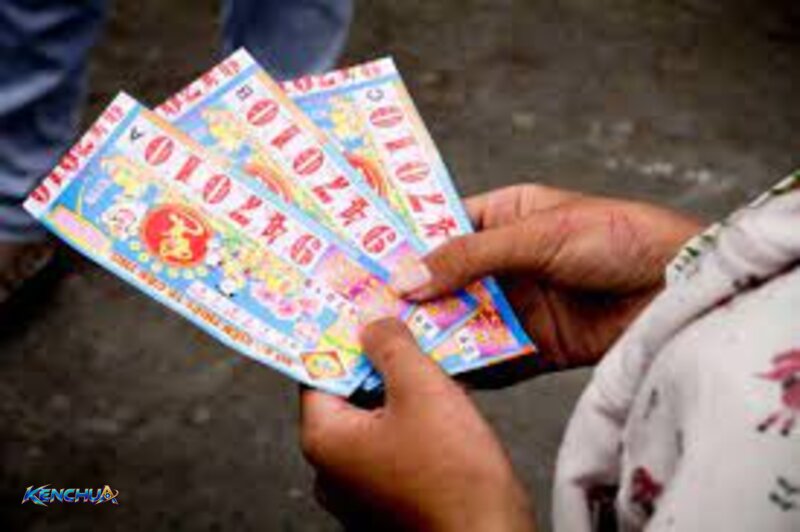
Official Channels
Buy tickets from licensed operators or authorised retailers. Be cautious with online sellers who offer special deals.
Result Verification
Check results using official websites or apps. Compare date, game and numbers, and avoid trusting screenshots or forwarded messages.
Claim Rules
Look at deadlines, ID requirements and tax rules. Large prizes may require in-person claims. Keep your ticket safe and take photos.
Scam Awareness
Common Tricks
Messages claiming that you won a lottery you never entered, requests for fees and fake websites are common. Genuine operators never ask for payment to release prizes.
Protect Yourself
Use unique passwords, enable two-factor authentication and avoid clicking links in unexpected messages. If you suspect fraud, report it to the operator and local authorities.
Lottery and Personal Finance
Where the Money Should Come From
Lottery tickets should be paid for from discretionary income, after bills, savings and debt payments. If you feel tempted to use savings, delay the purchase until your next pay day.
Planning for a Win
Although unlikely, a prize can change your life. Read your operator’s claim rules, decide who you would consult for financial advice and keep the information private. Preparing in advance is much easier than improvising when you are excited.
Understanding Annuity and Lump-Sum Prizes
Two Ways to Receive a Large Prize
Some lotteries let winners choose between a lump sum and annual payments over many years. A lump sum is smaller but available immediately, while annuity payments are larger in total but spread out. Taxes, inflation and personal circumstances influence the better choice.
Seek Independent Advice
If you ever win a major prize, consult an independent financial adviser and a tax professional before deciding. Avoid advisers who contact you uninvited. A calm, informed decision is far more valuable than a quick one at kenchua.
Final Thoughts on Kenchua Lottery Play
Kenchua lottery play is a low-cost, long-odds form of entertainment. Spend a small amount, ignore systems, buy from official sources and verify results carefully. If playing begins to affect your finances or wellbeing, stop and seek help. Only adults of legal age should take part.